
Ultimate Guide to Protein: Benefits, Intake, And Best Foods
Ultimate Guide to Protein: Benefits, Intake, And Best Foods
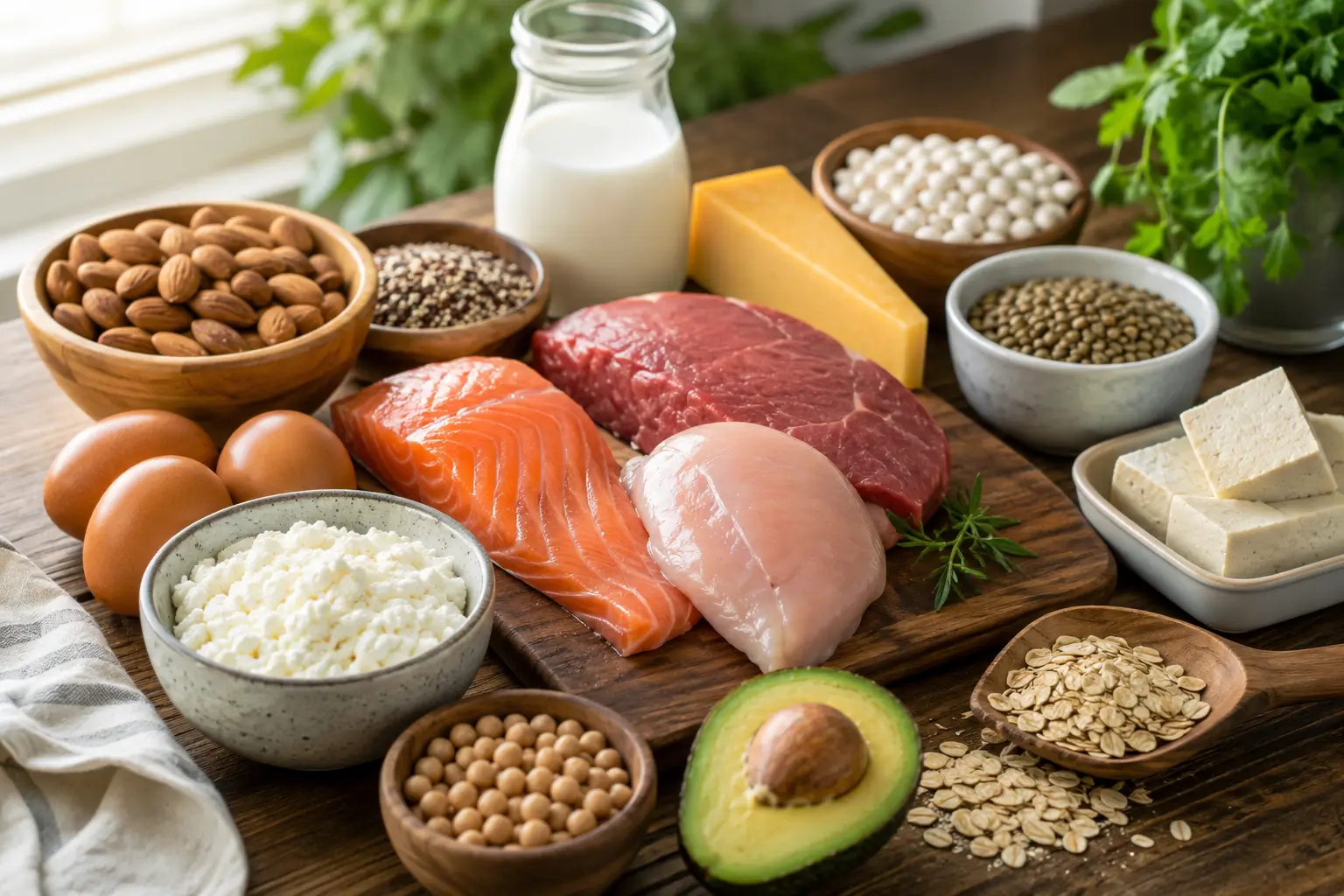
If you want one clear protein guide that explains how much you really need and which foods actually help, here it is.
Protein is a macronutrient made of amino acids. Your body uses it to build and repair muscle, maintain organs, create enzymes and hormones, support immunity, and help you stay full. For most healthy adults, a realistic daily protein intake target is around 0.7 to 1.0 grams of protein per pound of goal body weight, depending on your activity and goals. That means a 160‑pound adult might aim for roughly 110 to 160 grams per day.
That sounds simple until you actually try to hit those numbers while working, parenting, commuting, and trying not to eat boring food. This guide will walk you through the basics, the benefits, the numbers, and the best foods, using practical examples and common myths I see every week with clients.
What Is Protein, Really?
Protein is one of the three main macronutrients, along with carbohydrates and fats. At a basic level, protein is made from amino acids, which are like the letters your body uses to write and rewrite its cells.
Your body uses protein to:
- Build and repair tissues (like muscle, skin, hair, nails)
- Make enzymes that drive chemical reactions
- Produce hormones that regulate metabolism and appetite
- Support immune function
- Transport and store nutrients
You can think of carbs as quick energy, fats as long‑term energy and structure, and protein as the building and repair crew.
From working with clients, the biggest shift happens when people stop thinking of protein as just “meat” and start seeing it as a daily requirement that needs to show up at every meal, the same way water shows up in your day.
Complete vs incomplete protein
You will see the terms "complete" and "incomplete" protein a lot.
- Complete protein: Has all 9 essential amino acids in good amounts. These come mostly from animal foods like meat, poultry, fish, eggs, and dairy. A few plant exceptions like soy and quinoa are also complete.
- Incomplete protein: Lacks one or more essential amino acids. Many plant proteins fall here, like beans, lentils, nuts, and grains.
If you eat animal products, you usually get complete protein without trying. If you are vegetarian or vegan, you get there by combining foods over the day. For example, rice and beans together give you a complete amino acid profile, even if each one alone is incomplete.
You do not need every amino acid in a single bite of food. Your body pools amino acids over the day, which gives you flexibility as long as your total daily intake is decent.
Protein Benefits: Why It Matters So Much
Most people think protein is only for bodybuilders. That is probably the biggest myth I deal with. Protein benefits almost every system in your body, whether you lift 300 pounds or carry groceries and kids.
Here are the biggest, most practical benefits.
1. Protein supports muscle, strength, and aging
Muscle is not just for looks. It is critical for aging well, staying independent, and keeping metabolism from crashing.
Adequate protein intake helps you:
- Build muscle when you pair it with resistance training
- Maintain muscle when you are eating fewer calories
- Recover from workouts, yard work, and life
- Slow age‑related muscle loss (sarcopenia) [cite: authoritative source]
I see this most clearly with people in their 40s and 50s. When they bump protein from, say, 50 grams per day to 100+ grams and do 2 or 3 strength workouts per week, their energy, strength, and “I do not feel broken after yard work” complaints change fast.
2. Protein helps with fat loss and appetite
If you are trying to lose fat without feeling miserable, protein is your best friend.
High protein intake can help you:
- Stay fuller longer between meals
- Reduce mindless snacking
- Preserve muscle while losing fat
- Burn slightly more calories, because protein costs more energy to digest [cite: authoritative source]
For example, compare two lunches:
- Lunch A: Bagel with cream cheese and a small salad
- Lunch B: Chicken salad with beans, veggies, and a whole‑grain pita
Both could have a similar calorie total, but Lunch B usually has more protein and fiber. The person who eats Lunch B is less likely to raid the pantry at 3 p.m.
3. Protein stabilizes blood sugar and energy
Protein slows how fast carbs hit your bloodstream.
When you eat carbs alone (like a plain bagel or a big glass of juice), blood sugar rises quickly, then drops. Some people feel this as an energy crash or cravings.
Adding protein:
- Smooths out blood sugar swings
- Can reduce cravings for sweets later
- Helps you feel more steady and focused after meals
One small change I recommend a lot: instead of toast with jam, have toast with eggs or Greek yogurt and fruit. Same morning routine, very different energy curve.
4. Protein supports skin, hair, nails, and healing
Protein is a major component of collagen and keratin. If you are constantly getting injured, your wounds heal slowly, or your hair and nails break easily, inadequate protein may be part of the picture.
Your body also uses protein to:
- Repair skin after cuts, scrapes, and surgery
- Recover from illness or infection
- Support immune cells that fight off viruses and bacteria [cite: authoritative source]
This is why higher protein intake is often recommended during recovery from surgery or serious illness.
5. Protein helps hormones and enzymes do their jobs
Many hormones and enzymes are made of proteins. These molecules oversee digestion, mood, recovery, and many other functions.
If you consistently under‑eat protein, your body still tries to cover the basics, but it may pull protein from muscle tissue. Over time, this can mean lower muscle mass, weaker bones, and a slower, “draggy” feeling.
How Much Protein Do You Need Each Day?
This is the question almost everyone gets wrong, usually in one of two ways:
- Some people barely get 40 to 60 grams per day and feel tired, hungry, and weak.
- Others think they need 250 grams because a random influencer said so.
The truth for most general adults is more moderate and much more doable.
Basic protein intake guidelines
The official Recommended Dietary Allowance (RDA) for protein is 0.8 grams per kilogram of body weight per day for healthy adults [cite: authoritative source]. That is the minimum to avoid deficiency, not necessarily the optimal target for health, muscle, and appetite control.
A more practical protein guide for adults:
- If you are generally healthy and moderately active: 0.7 to 0.8 grams per pound of goal body weight
- If you strength train regularly or want to maximize muscle: 0.8 to 1.0 grams per pound of goal body weight
- If you are significantly overweight, use your realistic goal weight or lean body mass, not your current weight
So if your goal weight is 160 pounds, a solid range is 110 to 160 grams per day.
Everyday examples of protein targets
Here are some examples to make the math less abstract.
| Goal Body Weight | Recommended Daily Protein Intake |
|---|---|
| 130 lb | 90 to 110 g |
| 150 lb | 105 to 135 g |
| 180 lb | 125 to 160 g |
| 210 lb | 140 to 170 g (use goal weight) |
Notice that these ranges are not exact. You do not need to hit 132.4 grams every day. Aim for the range most days, and your body will do fine.
How to split protein across meals
Once you know your daily target, the next trick is spreading it through the day.
A simple, practical approach is:
- Eat protein at every meal.
- Aim for 20 to 40 grams per meal, depending on your size and appetite.
- Add 10 to 20 grams in snacks if needed.
For example, a person aiming for 120 grams per day could do:
- Breakfast: 30 g
- Lunch: 35 g
- Snack: 15 g
- Dinner: 40 g
This beats trying to eat 15 grams all day and then 100 grams at dinner. Your body uses protein better when intake is spread out.
When might you need more or less protein?
You might benefit from the higher end of the range if:
- You do regular strength training or manual labor
- You are trying to lose body fat and maintain muscle
- You are older than 50
- You are recovering from injury, illness, or surgery
You might stay closer to the lower end of the range if:
- You are relatively sedentary
- You have kidney disease or other medical conditions that limit protein (follow your doctor’s guidance)
- You simply feel better with a bit more carbs or fats in your macro split
If you have kidney disease, talk with your doctor or dietitian before changing your protein intake. For most healthy people, higher protein within reasonable ranges is safe [cite: authoritative source].
Best Protein Foods: Practical Choices For Real Life
Here is where the protein guide becomes a grocery list you can actually use.
When clients tell me they “cannot” hit 100 grams of protein, it is almost always because their days look like this:
- Breakfast: Coffee and toast
- Lunch: Salad with barely any protein
- Snack: Chips or cookies
- Dinner: One small chicken breast and a big bowl of pasta
We fix this by building each meal around a protein source instead of treating it as an afterthought.
Top animal‑based protein foods
Animal proteins are typically complete and very protein‑dense. They are the easiest way to hit higher protein intake if you include them.
| Food (approx. serving) | Protein (grams) |
|---|---|
| Chicken breast, 4 oz cooked | ~30 g |
| Turkey breast, 4 oz cooked | ~28 g |
| Lean ground beef, 4 oz | ~24 g |
| Salmon, 4 oz cooked | ~23 g |
| Tuna (canned in water), 1 can | ~25 g |
| Greek yogurt, 1 cup (plain) | ~20 g |
| Cottage cheese, 1 cup | ~25 g |
| Eggs, 2 large | ~12 g |
| Egg whites, 3 large | ~10 g |
| Pork tenderloin, 4 oz | ~24 g |
These numbers vary by brand and cut, but they are close enough to help you plan.
Easy ways to use these:
- Add Greek yogurt to breakfast with berries and nuts.
- Keep canned tuna or salmon at work for quick lunches.
- Batch‑cook chicken or ground turkey on Sunday and use it for tacos, salads, and grain bowls.
- Use cottage cheese as a high‑protein snack instead of a bagel or crackers alone.
Best plant‑based protein foods
If you are vegetarian or vegan, you can absolutely hit solid protein targets. You just need to be more intentional and combine foods.
| Food (approx. serving) | Protein (grams) |
|---|---|
| Firm tofu, 4 oz | ~10 g |
| Tempeh, 4 oz | ~18 g |
| Edamame, 1 cup | ~17 g |
| Lentils (cooked), 1 cup | ~18 g |
| Black beans (cooked), 1 cup | ~15 g |
| Chickpeas (cooked), 1 cup | ~14 g |
| Quinoa (cooked), 1 cup | ~8 g |
| Peanut butter, 2 tbsp | ~7 g |
| Almonds, 1 oz (about 23 nuts) | ~6 g |
| Soy milk, 1 cup (varies by brand) | ~7 to 8 g |
Plant proteins often come with more carbs or fats. That is not a bad thing, you just need to account for it.
Practical plant‑based combos that cover your bases:
- Lentils with rice and veggies
- Tofu stir‑fry with quinoa
- Bean chili with corn tortillas
- Hummus and whole‑grain pita with a side of edamame
If you are vegan and aiming for, say, 100+ grams of protein per day, it almost always requires at least one higher‑protein meal like a tofu stir‑fry or lentil dish, plus some strategic snacks.
Protein powders and bars: useful or hype?
Protein powders and bars are tools, not magic.
Protein powders can be handy if:
- You struggle to eat big meals
- You have a busy schedule and need quick options
- You are aiming for a higher protein intake and food alone feels overwhelming
Common types:
- Whey protein (from dairy, usually digests quickly)
- Casein protein (from dairy, digests more slowly)
- Pea, soy, or mixed plant proteins (vegan friendly)
I personally like unflavored or lightly flavored whey or pea protein. I toss a scoop (about 20 to 25 grams of protein) into smoothies with frozen berries and spinach. It takes 60 seconds, and it solves the “coffee only” breakfast problem.
Protein bars are convenient, but many are basically candy bars with better marketing. Look for:
- At least 15 to 20 grams of protein
- Less added sugar
- Ingredients you can recognize and tolerate
Use them as backup, not the foundation of your protein intake.
Quick high‑protein meal and snack ideas
Here are some simple examples that fit a typical weekday.
Breakfast options (20 to 35 grams):
- 3 eggs scrambled with veggies, plus 1 slice of toast
- 1 cup Greek yogurt, 1/2 cup berries, 1/4 cup granola or oats
- Smoothie with 1 scoop protein powder, 1 cup soy or dairy milk, 1 banana, frozen berries, and a handful of spinach
Lunch ideas (25 to 40 grams):
- Chicken salad bowl: 4 oz chicken breast, mixed greens, beans, veggies, vinaigrette
- Turkey and cheese sandwich on whole‑grain bread, plus a side of edamame
- Lentil soup with whole‑grain toast and a side of Greek yogurt (if not vegan)
Dinner ideas (30 to 45 grams):
- 4 to 5 oz salmon, roasted potatoes, and veggies
- Tofu stir‑fry with 1 to 1.5 cups tofu, mixed veggies, and brown rice
- Lean beef tacos: 4 oz cooked beef, beans, veggies, salsa, and tortillas
Snack ideas (10 to 20 grams):
- Cottage cheese with fruit
- A small protein shake
- Hummus with veggie sticks and a handful of edamame
- String cheese and a piece of fruit
Use these as a template, then swap in your favorite flavors.
Common Protein Myths (And What Actually Matters)
Protein myths are why a lot of people either avoid protein or obsess about it for the wrong reasons. Let’s clear up the most common ones I hear.
Myth 1: “Too much protein will ruin your kidneys”
For healthy people, there is no strong evidence that higher protein intake, within reasonable ranges, harms kidney function [cite: authoritative source].
This concern mostly comes from recommendations for people who already have kidney disease. Their kidneys cannot process protein waste as well, so they need to limit intake.
If your kidneys are healthy, eating 0.7 to 1.0 grams per pound of goal body weight has been shown to be safe in research [cite: authoritative source]. Of course, if you have any kidney issues or a family history, talk to your doctor.
Myth 2: “You can only absorb 30 grams of protein per meal”
I hear this one constantly, often delivered with a very confident tone.
Your body can digest and absorb much more than 30 grams of protein in one meal. What people usually mean is that muscle protein synthesis, the process of building muscle, may max out around 20 to 40 grams per meal for most people [cite: authoritative source].
But that does not mean extra protein is wasted. Your body can use it for other functions, like making enzymes and hormones, and as energy. It is still worth eating a larger protein meal if that fits your schedule.
So do not panic if dinner has 45 grams of protein. You are not flushing it down the drain.
Myth 3: “Protein will make you bulky”
Getting “bulky” requires a lot more than eating chicken and lifting a dumbbell twice a week.
Muscle growth depends on:
- Consistent strength training (usually multiple times per week)
- Calorie intake (often a surplus)
- Hormones and genetics
- Enough protein
Protein alone does not suddenly add 20 pounds of muscle. I have had clients lift and eat high protein for months just to add a few pounds of lean mass. So if you are worried about looking too muscular, focus on getting enough protein to support a lean, strong body, then control your training style and calories.
Myth 4: “You have to eat meat to get enough protein”
Animal protein makes hitting higher targets easier, but it is not mandatory.
Vegetarians and vegans can absolutely get enough protein if they:
- Prioritize higher‑protein plant foods (tofu, tempeh, lentils, beans, edamame)
- Combine foods through the day (grains plus legumes)
- Use plant‑based protein powders if needed
The challenge is not that plant protein “does not work.” The challenge is that many vegan meals are built mostly from starch and fat, with just a sprinkle of protein. When plant‑based eaters deliberately build meals around a solid plant protein source, they hit their goals much more easily.
Myth 5: “More protein is always better”
There is a point where chasing more protein gives you less return.
Beyond about 1 gram per pound of goal body weight, most general adults do not see huge extra benefits. At that point, you are mostly trading carbs and fats for more protein.
That might be fine for some people who prefer very high protein diets, but for most, a moderate high‑protein intake works better. You still want enough carbs for energy and fiber, and enough fats for hormones and nutrient absorption.
I have seen people bump protein from 110 grams to 220 grams per day and feel worse because their workouts drag without enough carbs.
How To Actually Hit Your Protein Intake Each Day
Knowing your target and favorite protein foods is step one. Step two is putting it into a day that fits your life.
Step 1: Set a simple daily protein goal
Use the range from earlier and pick a realistic number.
Examples:
- Goal weight 140 lb: aim for 100 to 115 g per day
- Goal weight 180 lb: aim for 125 to 150 g per day
Pick a number in that range that feels doable. You can always adjust later.
Step 2: Backward‑plan your day
Plan protein first, everything else second. This one shift can change a lot.
- Decide your daily protein target.
- Divide it across your meals.
- Fill in carbs, fats, and veggies after.
Let’s say your goal is 120 grams per day and you eat 3 meals plus a snack. You might plan:
- Breakfast: 30 g
- Lunch: 30 g
- Snack: 20 g
- Dinner: 40 g
Now plug in foods.
Sample 120‑gram protein day (omnivorous):
- Breakfast: 1 cup Greek yogurt (20 g) + 1 scoop protein mixed in or on the side (20 g) = 40 g
- Lunch: 4 oz chicken breast in a salad with beans (30 g)
- Snack: Cottage cheese (15 g) + a small handful of nuts (5 g) = 20 g
- Dinner: 4.5 oz salmon (30 g) + 1 cup lentils as a side (18 g) ≈ 48 g
Total: around 138 grams. That is over the target but well within a reasonable range.
Sample 100‑gram protein day (mostly plant‑based):
- Breakfast: Smoothie with 1 scoop plant protein (20 g), soy milk (7 g), and peanut butter (7 g) ≈ 34 g
- Lunch: 1 cup lentil soup (18 g) and 1 cup edamame on the side (17 g) ≈ 35 g
- Snack: Hummus with veggies and a small handful of roasted chickpeas (10 g)
- Dinner: 6 oz tofu stir‑fry (about 15 g) with quinoa (8 g) ≈ 23 g
Total: around 102 grams.
Step 3: Fix one low‑protein meal at a time
Most people have a “weak link” meal. Usually, it is breakfast or lunch.
- If breakfast is the problem, add eggs, yogurt, cottage cheese, tofu scramble, or a protein shake.
- If lunch is too light, increase your protein portion, not just the salad volume.
- If dinner is the only high‑protein meal, lighten it slightly and shift some protein earlier in the day.
Trying to overhaul all meals at once usually fails. Fix the worst meal first, live with it for a week, then fix the next one.
Step 4: Keep a few high‑protein staples on hand
Real life gets messy. You need backup options so you are not stuck with a bag of chips and regret.
Good “emergency” protein options:
- Canned tuna or salmon
- Frozen chicken or turkey burgers
- Frozen edamame
- Greek yogurt cups
- Protein powder you actually like
- Shelf‑stable tofu (if you use soy)
When dinner plans fall apart, you can still throw together a quick meal like tuna on whole‑grain toast with a side of edamame and carrots.
Step 5: Use a meal planner if the math annoys you
Some people love tracking macros. Most people do not.
If you hate manually adding up protein, tools like FitPlate can build a personalized meal plan that hits your protein and calorie needs for you. That means you focus on shopping and cooking, not a spreadsheet.
Protein Guide FAQ
How much protein do I need per day?
Most general adults do well with about 0.7 to 1.0 grams of protein per pound of goal body weight. If your goal weight is 160 pounds, that usually means 110 to 160 grams per day. If you are older, very active, or trying to lose fat while keeping muscle, aim toward the higher end. If you have kidney disease or other conditions, follow your doctor’s advice.
What are the best high‑protein foods?
The easiest high‑protein foods are lean meats (chicken, turkey, lean beef, pork tenderloin), fish and seafood, eggs, Greek yogurt, cottage cheese, tofu, tempeh, lentils, beans, and edamame. For snacks, Greek yogurt, cottage cheese, string cheese, tofu cubes, and some protein bars or shakes work well. Build every meal around one main protein source first, then add carbs, fats, and veggies.
Can I eat too much protein?
For healthy adults, protein intake in the range of 0.7 to 1.0 grams per pound of goal body weight is considered safe [cite: authoritative source]. Extremely high intakes far above that may crowd out other nutrients and are usually unnecessary. If you have kidney disease, certain metabolic conditions, or a history of kidney issues, you may need to limit protein under medical supervision.
Is plant protein as good as animal protein?
Plant proteins can absolutely support health and muscle, but they are often lower in one or more essential amino acids and less concentrated per calorie. That means you usually need a bit more planning and volume. Combining different plant sources (like beans and grains) across the day helps you cover your amino acid needs. Using higher‑protein plant foods like tofu, tempeh, lentils, beans, and edamame makes it much easier.
Do I need protein powder?
You do not need protein powder if you can meet your protein intake goal with regular food. Protein powders are just a convenient way to add 20 to 30 grams of protein quickly, especially for breakfast, after a workout, or when you are busy. If you use them, treat them as supplements, not the base of your diet, and still focus on whole foods.
How much protein should I eat per meal?
A simple rule is 20 to 40 grams of protein per meal, adjusted for your size and goals. Smaller, sedentary adults may be fine around 20 grams at a meal, while larger or more active adults may benefit from 30 to 40 grams, especially at meals around workouts. The key is consistency across the day rather than stressing over perfect numbers at every single meal.
If you want an easy way to turn your protein target into a grocery list, recipes, and a full week of meals, you can let FitPlate build a personalized meal plan for you.
Ready to eat smarter?
Put this into practice with a personalized weekly meal plan built around your goals and preferences.
Generate your free meal plan
Written by
Marcus Reed
Fitness and Nutrition Writer
Marcus covers eating for muscle and training. He got into nutrition through his own slow, stubborn progress in the gym, and he is more interested in protein targets and consistency than in whatever supplement is trending this month. He writes the guides he wishes he had when he started.
Related posts
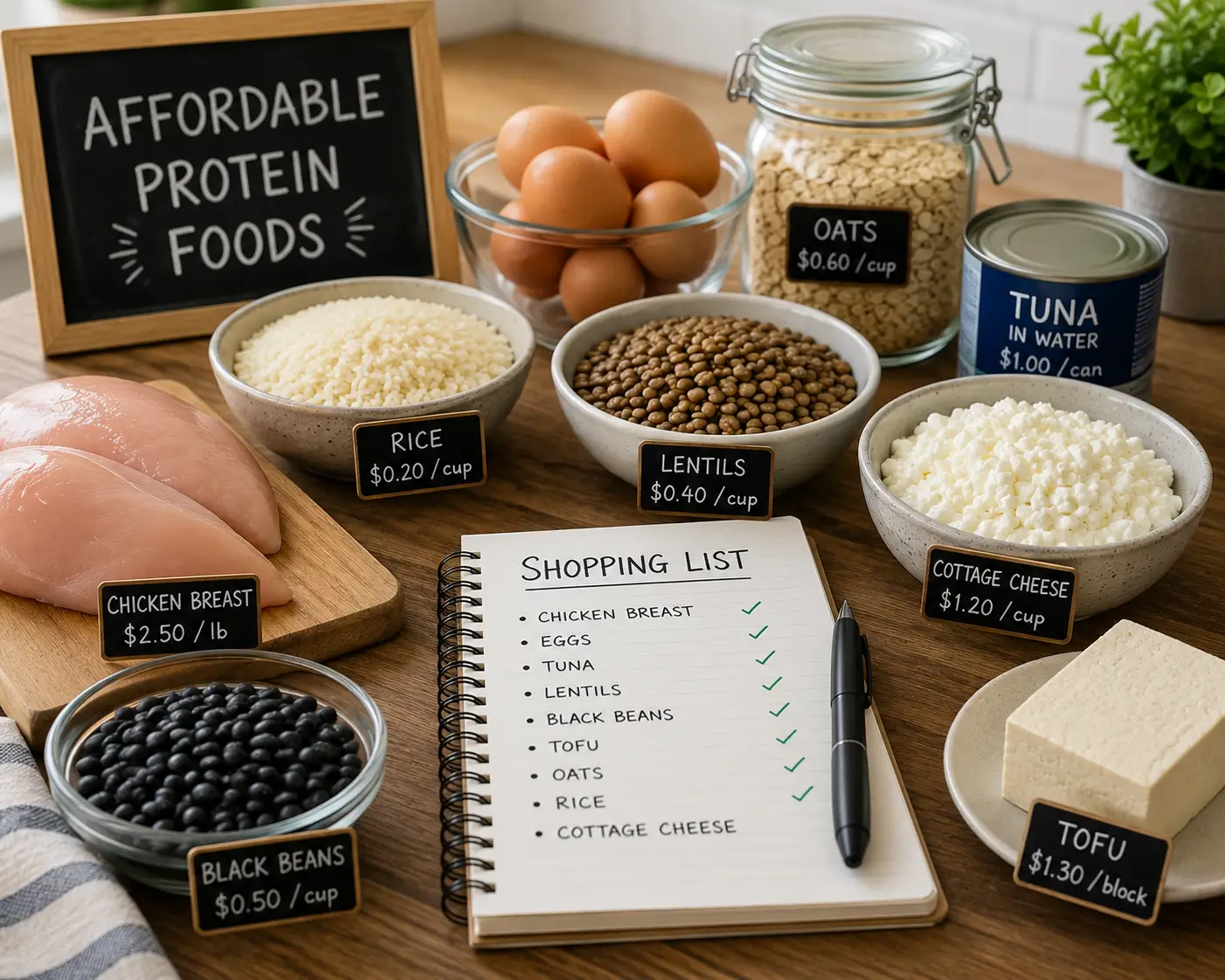
10 Cheap High-Protein Foods (With Cost Per Serving)
A practical breakdown of 10 cheap high-protein foods in the US, with real cost-per-serving estimates, protein per serving, and smart shopping tips.
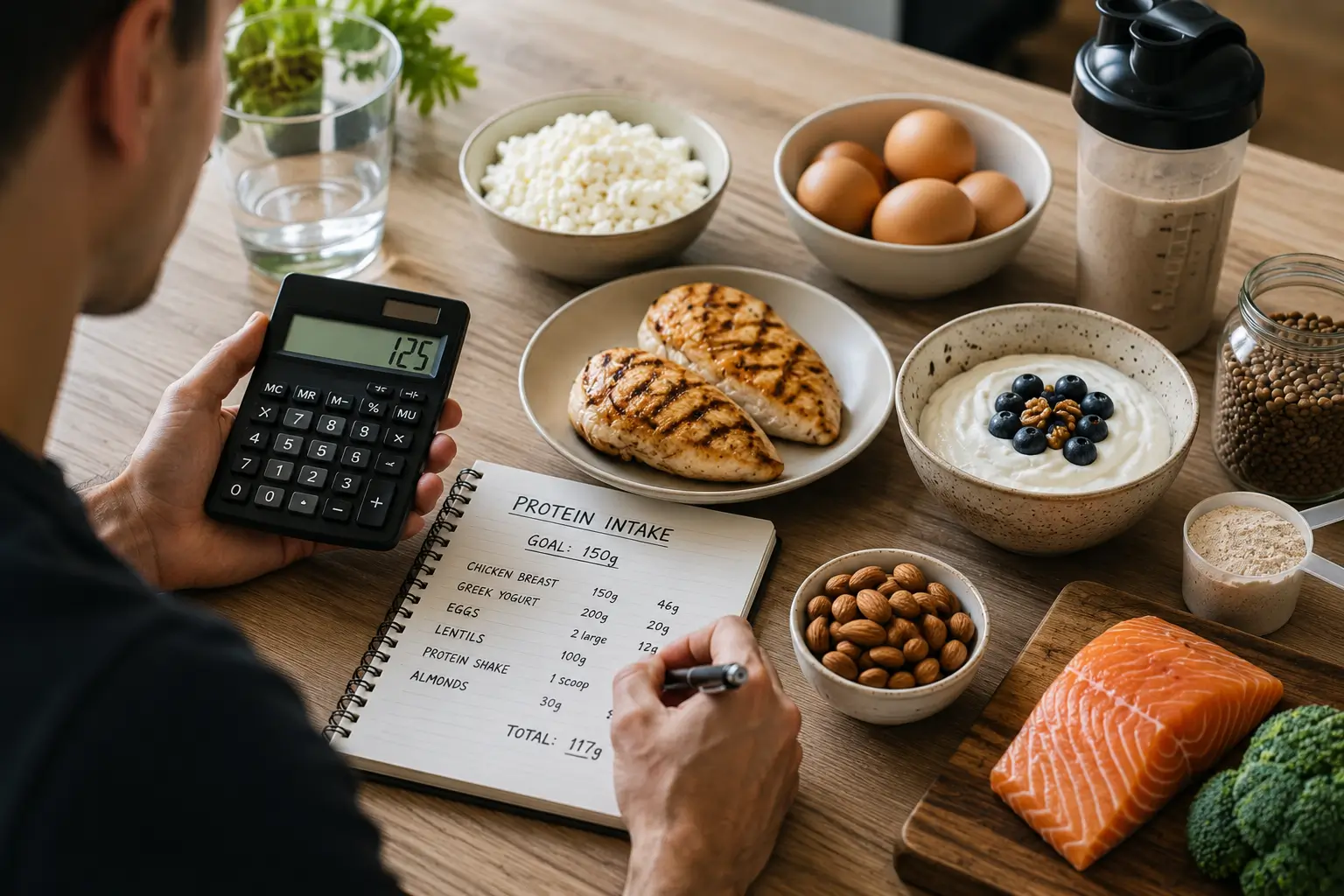
How Much Protein Do You Need Per Day?
New to fitness and confused about daily protein intake? Learn simple formulas based on your body weight, see real-life examples, and avoid common protein mistakes.
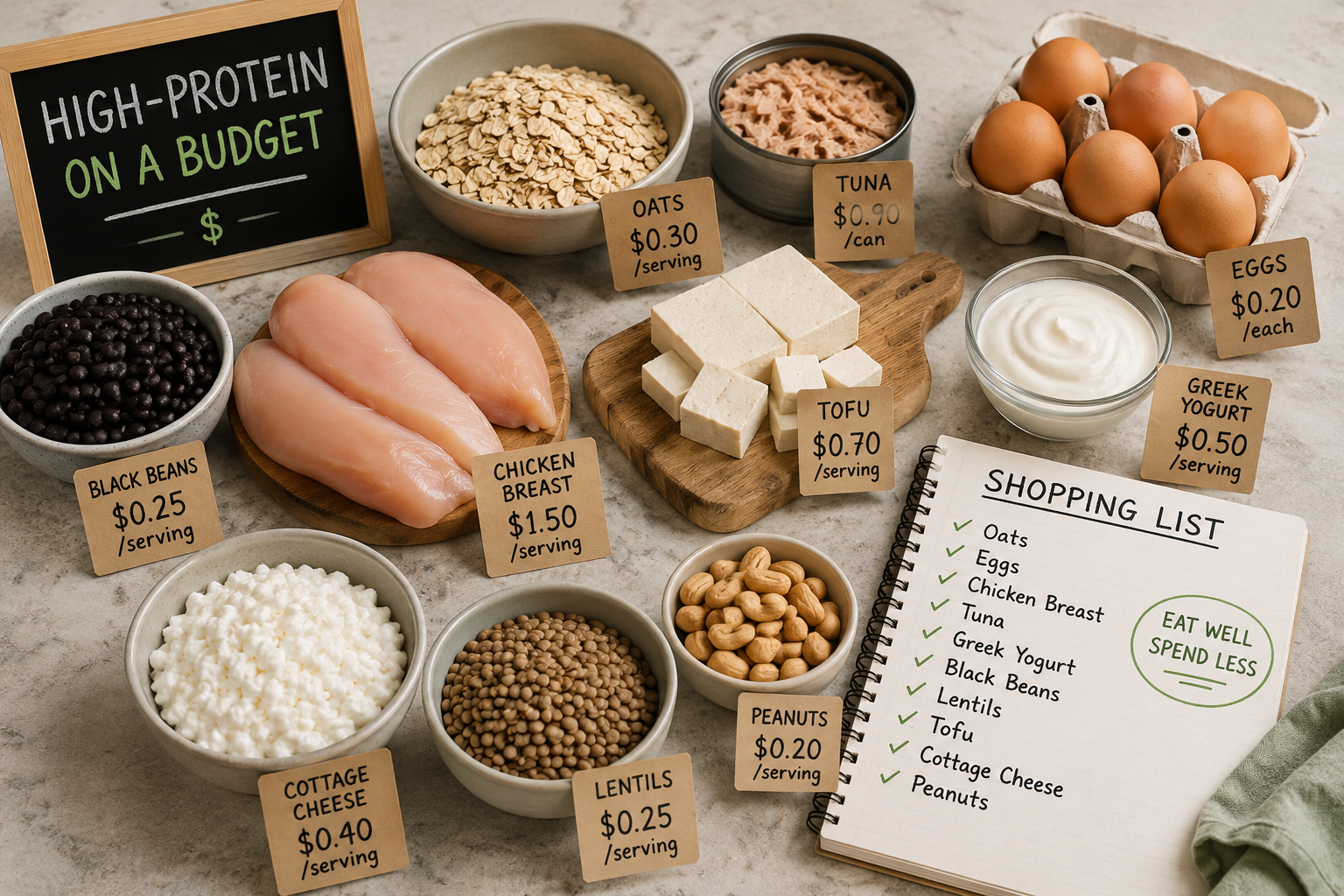
12 Budget-Friendly Foods That Are High in Protein
Discover 12 affordable protein sources that help you maintain a high-protein diet without overspending. Perfect for college students and budget-conscious eaters.