
Meal Prep for Beginners: A Realistic Sunday Routine
Meal Prep for Beginners: A Realistic Sunday Routine
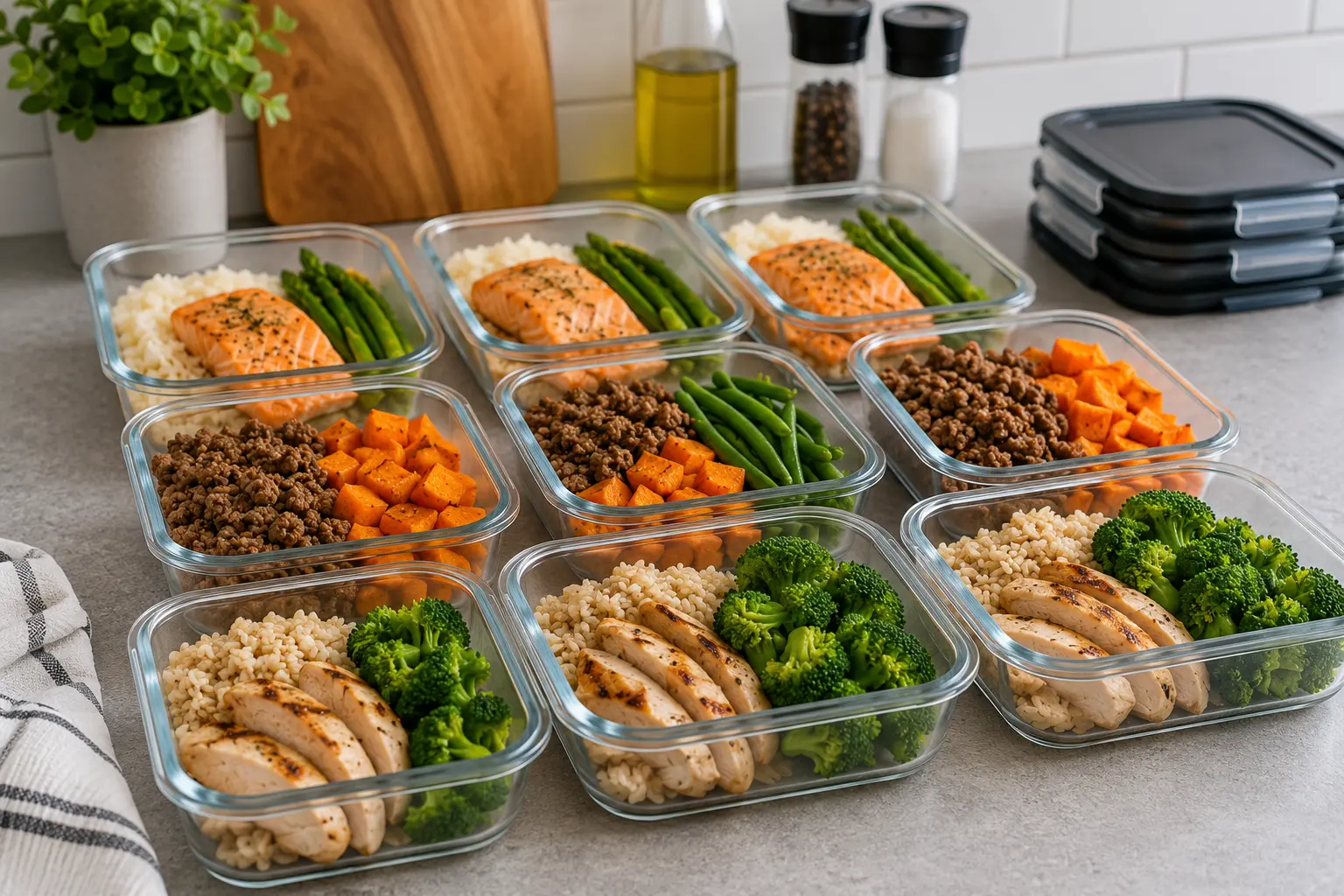
If you are looking for simple meal prep for beginners, here is the short answer: pick 2 breakfasts, 2 lunches, and 2 dinners, shop from a short ingredient list, batch cook everything in about 2 to 3 hours on Sunday, and store it in clear, labeled containers for grab and go meals all week.
That is exactly what I do on my own Sundays before a packed work week. I am not spending 6 hours in the kitchen or dirtying every pan I own. Most weeks, I prep with one cutting board, two sheet pans, a large pot, and a pan for eggs. You do not need to be a great cook. You just need a routine that is realistic when you are tired, your email is already buzzing, and you still want to eat better than takeout every night.
This guide walks you through meal prep for beginners using a real Sunday schedule: planning, shopping, cooking, and storage, step by step.
What does “meal prep for beginners” actually look like?
Meal prep for beginners is not about cooking 21 perfectly portioned meals or following complicated recipes. For a busy professional, it simply means:
- Planning a basic weekly meal prep structure (2 breakfasts, 2 lunches, 2 dinners)
- Doing one main grocery run
- Cooking in batches once, usually on Sunday
- Storing food in containers so weekday meals are mostly reheat and assemble
If your weekdays are full of back to back meetings, kids' activities, and late emails, meal prep buys you three things:
- Faster decisions. You already know what is for breakfast and lunch.
- Less stress. No more 7 p.m. “What are we eating?” panic.
- Better nutrition. You are less likely to grab whatever is closest.
Let me walk you through the exact Sunday rhythm I use for weekly meal prep, from making coffee to closing the fridge on a full week of food.
Step 1: The 15 minute planning session
I start Sunday prep with coffee and my calendar open. Before I touch a knife or pan, I look at my week.
How do you plan your weekly meal prep around a busy schedule?
Open your calendar and answer these questions:
- Which nights are late or unpredictable? (Plan leftovers or freezer meals.)
- Which days are you out of the office or traveling? (Skip prep for those.)
- How many lunches will you actually eat at your desk?
For most busy professionals, a realistic starting point is:
- 4 to 5 prepped breakfasts
- 3 to 4 prepped lunches
- 3 dinners mostly cooked ahead
That still leaves room for one or two restaurant meals and some flexibility.
The “2 by 2 by 2” beginner formula
To keep meal prep for beginners simple, I use what I call the 2 by 2 by 2 formula:
- 2 breakfast options
- 2 lunch options
- 2 dinner options
Here is a sample weekly meal prep plan I have actually used:
| Meal | Option 1 | Option 2 |
|---|---|---|
| Breakfast | Greek yogurt with berries and granola | Egg muffins with spinach and cheddar |
| Lunch | Chicken, rice, and roasted vegetables | Turkey taco bowls with black beans |
| Dinner | Sheet pan salmon with potatoes and kale | Turkey taco meat repurposed as lettuce wraps |
You do not need perfect variety in week one. You need something you will actually cook.
Write a simple meal planning grid
Grab a scratch pad or notes app and make a quick grid:
- Down the left side, write: Breakfast, Lunch, Dinner, Snacks.
- Across the top, write: Mon, Tue, Wed, Thu, Fri.
- Fill in each square with one of your 2 options.
I usually repeat the same breakfast and lunch two days in a row. That makes prepping and packing much faster, and it cuts down on food waste.
Step 2: Turn the plan into a quick shopping list
Once your mini meal plan is set, turn it into a grocery list. This is where weekly meal prep gets efficient.
How do you build a smart beginner meal prep grocery list?
I take 5 minutes to go recipe by recipe and jot ingredients, then I rearrange them into sections before I leave the house.
Use these sections:
- Produce
- Protein
- Grains and pantry carbs
- Dairy and eggs
- Canned and dry goods
- Sauces, oils, and spices
For the sample menu above, a realistic list looks like this (for one person, roughly 4 to 5 days):
Produce
- 2 bell peppers
- 1 red onion
- 1 bag baby carrots
- 1 head broccoli or bag of florets
- 1 bunch kale or bag chopped kale
- 1 bag salad greens
- 1 pint cherry tomatoes
- 2 avocados
- 2 limes
- 1 bunch green onions
- 1 bag frozen mixed veggies (backup)
Protein
- 1.5 to 2 lb chicken breast or thighs
- 1 lb ground turkey
- 1 to 1.5 lb salmon fillet or 4 portions
- 1 dozen eggs
- 1 large tub plain Greek yogurt
- 1 block or bag shredded cheddar or Mexican blend
Grains and pantry carbs
- 2 cups dry rice (white or brown)
- 1 box quick oats or granola
- 1 bag small potatoes or sweet potatoes
- 1 pack tortillas or lettuce wraps
Canned and dry
- 2 cans black beans
- 1 can corn
- 1 jar salsa
Dairy and extras
- Milk or plant milk for oats (if using)
- Butter or ghee
Sauces, oils, and spices (if you do not already have them)
- Olive or avocado oil
- Chili powder
- Cumin
- Garlic powder
- Salt and pepper
- Soy sauce or tamari
This list fits easily in one basket at a standard US grocery store. If you keep spices simple, you can reuse them across meals without feeling like you need a chef-level pantry.
Save time with shortcuts
If your Sunday is already crowded, take the shortcuts without guilt:
- Pre chopped onions or frozen chopped onions
- Microwave rice packets
- Washed salad greens
- Pre cut broccoli or baby carrots instead of full size
Shortcut ingredients are still meal prep. They just cost a bit more and save you time when your brain is already on Monday.
Step 3: Set up your kitchen before you cook
When I get home from the store, I do not start cooking right away. I set up my space so the next 90 to 120 minutes are smoother.
What tools do beginners really need for meal prep?
Skip the fancy gadgets. For weekly meal prep, you only need:
- 1 large cutting board
- 1 good chef's knife (sharpened helps a lot)
- 2 sheet pans
- 1 large pot with lid (for rice, pasta, or soup)
- 1 medium skillet or pan (for eggs and ground meat)
- Measuring cups and spoons
- 8 to 12 food containers with lids (glass or BPA free plastic)
If you can, match container size to the meal:
- Small: sauces, snacks, toppings
- Medium: breakfast bowls, sides
- Large: full lunches and dinners
I also clear the counter, set a small trash bowl for scraps, and preheat the oven to 400°F. Then I fill a water bottle, queue a podcast, and set a 2 hour timer. That small ritual helps me treat meal prep like a task with a clear end, not an endless kitchen project.
Step 4: The actual Sunday cooking routine (2 to 3 hours)
Here is where meal prep for beginners usually falls apart. People start cooking in a random order and end up taking twice as long.
Below is the order I actually use on Sundays. It is written assuming the sample menu, but you can plug in your own recipes.
Step 4.1: Start with the longest cooking items
These usually go in the oven or slow cooker.
- Start your grains.
- Rinse 2 cups of rice.
- Add rice and 4 cups water to a pot, add a pinch of salt.
- Bring to a boil, then cover and simmer 15 to 40 minutes, depending on type.
- Prep sheet pan chicken and vegetables.
- Chop 2 bell peppers, 1 onion, 2 cups broccoli, and 2 cups carrots.
- Toss on a sheet pan with oil, salt, pepper, and garlic powder.
- Add chicken pieces on top, season with chili powder, cumin, and salt.
- Roast at 400°F for about 25 minutes, until the chicken is cooked.
- Prep sheet pan salmon and potatoes.
- Halve small potatoes, toss with oil, salt, and pepper on a second pan.
- Start those in the oven first, for about 10 minutes.
- Then add salmon fillets, brushed with oil and a little soy sauce or lemon.
- Roast another 12 to 15 minutes, until salmon flakes.
By getting the oven and rice going first, your hands are free for the rest.
Step 4.2: Cook your protein on the stovetop
While the oven and rice are going, move to the stove.
- Brown the ground turkey for taco bowls.
- Heat a skillet with a bit of oil.
- Add ground turkey, break it up, cook until browned.
- Add chili powder, cumin, garlic powder, salt.
- Stir in drained black beans and a splash of salsa.
- Set aside to cool.
- Make egg muffins or a large egg bake.
- Whisk 8 to 10 eggs in a bowl with salt, pepper, and a splash of milk.
- Add chopped spinach, tomatoes, or leftover veg.
- Pour into a greased muffin tin or small baking dish.
- When the chicken comes out, slide the eggs in for 15 to 20 minutes.
Now most of your actual “cooking” is done.
Step 4.3: Assemble no cook breakfasts and snacks
While hot foods cool, I quickly prep the cold items.
- Yogurt breakfast bowls or jars.
- Line up 4 containers.
- Add 1 cup Greek yogurt to each.
- Top with a handful of berries and a small scoop of granola.
- Keep the granola in a separate small container if you want crunch.
- Snack packs.
- Portion baby carrots, a few cherry tomatoes, and a few nuts or cheese cubes into small containers or bags.
- This sounds minor, but having grab and go snacks stops the vending machine runs at 3 p.m.
Step 4.4: Cool, slice, and portion
Once the sheet pans and rice are done, turn off the oven and stove and let everything cool for 10 to 15 minutes.
This is when meal prep often feels messy, so keep it simple:
- Portion the rice.
- Fluff with a fork.
- Spoon into 4 to 6 containers as a base for chicken and taco bowls.
- Slice the chicken and salmon.
- Cut chicken into strips or cubes.
- Divide the roasted vegetables among the same containers as the rice or into separate side containers.
- Place one salmon fillet plus potatoes into 2 to 3 dinner containers.
- Pack taco bowls.
- Add a scoop of turkey and beans over rice in 3 to 4 containers.
- Add corn and a spoon of salsa.
- Leave fresh toppings like avocado and lettuce for the night before you eat.
- Remove egg muffins or egg bake.
- Let cool completely.
- Store in a container so you can grab 2 each morning.
At this point, my counter looks full of food, and the timing usually hits around the 2 hour mark.
Step 5: Storage basics so food actually lasts all week
You can do perfect weekly meal prep and still waste half of it if storage is off. Food safety matters, especially when you pack lunches for the office. [cite: authoritative source]
How do you store meal prep safely?
Follow these basics:
- Let hot food cool slightly, but refrigerate within 2 hours of cooking.
- Use shallow containers so food chills faster.
- Store ready to eat foods on upper shelves, raw ingredients below.
- Keep the fridge at or below 40°F.
For most meal prep dishes:
- Cooked chicken, turkey, and salmon: 3 to 4 days in the fridge
- Cooked rice and roasted vegetables: 4 days in the fridge
- Hard boiled eggs and egg muffins: about 4 days in the fridge
- Yogurt bowls: 4 to 5 days in the fridge
If you are prepping for 5 full workdays, plan to freeze one or two portions on Sunday and move them to the fridge on Wednesday night.
Fridge organization that saves weekday brain power
I like to dedicate one shelf to grab and go containers.
- Left side: breakfasts
- Middle: lunches
- Right side: dinners and extras
Use labels or painter's tape to mark:
- What it is
- Date cooked
- Reheat instructions if someone else in the household will eat it
Yes, it takes an extra 3 minutes, but on Wednesday at 6:45 a.m. when you are packing for an office day, it is a gift.
What about freezing meal prep?
If you know you will not eat something by Thursday, freeze it on Sunday or Monday.
Best freezer candidates for beginners:
- Cooked taco meat
- Cooked rice (freeze flat in bags)
- Soups and chilis
- Cooked chicken in sauce
Avoid freezing:
- Yogurt with fruit (the texture will change)
- Raw salad greens
- Whole hard boiled eggs in the shell
When you plan your meal prep, simply mark one or two meals as freezer friendly, and portion them into freezer safe containers from the start.
How to reheat and assemble on busy weekdays
Meal prep only works if weekday meals taste good enough that you actually eat them.
Reheating basics for office and home
For office lunches:
- Use microwave safe containers.
- Add a splash of water or broth to rice dishes to keep them from drying out.
- Reheat in 1 minute bursts, stirring in between.
For dinners at home:
- Reheat salmon and chicken gently at 50 to 70 percent power in the microwave, or
- Use a skillet with a bit of oil over low heat, lid on, for 5 to 7 minutes.
Easy ways to keep it from getting boring
I keep a mini “flavor box” in the fridge door:
- Hot sauce
- Greek yogurt mixed with lime and salt as a quick sauce
- Pre shredded cheese
- A jar of good salsa
Drizzle or sprinkle one or two of these on a basic chicken and rice bowl, and it feels more like a fresh meal than leftovers.
Common beginner mistakes (and how to avoid them)
Meal prep for beginners usually fails for the same few reasons. I have made all of these mistakes myself.
Mistake 1: Trying 7 new recipes at once
Fix: Pick 1 or 2 simple recipes you already know how to cook. Use those for two weeks. Once the routine feels easy, swap in something new.
Mistake 2: Prepping foods you do not actually like on day 3
Some foods just do not hold up well for multiple days.
Better options for 3 to 4 days:
- Grain bowls
- Roasted vegetables
- Taco meat
- Egg bakes
Foods that are better cooked same day:
- Delicate fish (except salmon)
- Most salads with dressing already on them
- Breaded foods that are supposed to be crispy
Mistake 3: Ignoring your real schedule
If you always work late on Tuesdays, do not plan a complicated cook fresh meal. Put your easiest reheat dinner there and save “fun cooking” for a lighter night.
Mistake 4: Not planning snacks
When 3 p.m. hits and all you have is black coffee and a vending machine, your nice balanced lunch does not matter as much.
Fix: Pack at least one snack with protein or fiber, like nuts, yogurt, or cut veg with hummus.
A sample 2 hour Sunday meal prep schedule
To make this even more concrete, here is what a realistic Sunday afternoon might look like.
0:00 to 0:10 (Planning)
- Look at your calendar.
- Fill your Monday to Friday meal grid.
- Turn it into a short shopping list.
0:10 to 0:40 (Shopping)
- Quick grocery run with your list.
- Grab shortcuts if you are running behind.
0:40 to 0:55 (Setup)
- Unpack groceries.
- Clear counters, set out tools.
- Preheat oven to 400°F.
- Start rice in a pot.
0:55 to 1:25 (Main cooking)
- Chop and season sheet pan chicken and vegetables.
- Slide into oven.
- Start potatoes, then add salmon to the second pan.
- Brown turkey taco meat on the stove.
1:25 to 1:45 (Eggs and cold prep)
- Mix and bake egg muffins.
- Assemble yogurt bowls and snack packs.
1:45 to 2:10 (Cooling and portioning)
- Let everything cool slightly.
- Slice proteins, portion rice, pack lunches and dinners.
- Label containers, stack in the fridge.
Total hands on time is usually around 90 minutes. Cleanup is built in, since you are mostly using a few pans and one cutting board.
FAQ: Meal prep for beginners
How long should beginner meal prep take?
For beginners, 2 to 3 hours on Sunday is realistic for 4 to 5 breakfasts, 3 to 4 lunches, and 3 dinners. As you repeat the same basic recipes, most people can get that under 2 hours of hands on time. If your first attempt takes longer, that is normal. Focus on order and keeping recipes simple.
Is meal prep safe if I eat it on Friday?
If you cook and cool your food properly and keep it refrigerated, most cooked meals are safe for 3 to 4 days. For Friday, either cook a fresh meal midweek or freeze one or two portions on Sunday, then move them to the fridge on Wednesday night so they thaw safely. When in doubt, follow food safety guidance and trust your senses. [cite: authoritative source]
Do I have to eat the same thing every day?
No. Using the 2 by 2 by 2 approach (2 breakfasts, 2 lunches, 2 dinners) gives you variety without making prep complicated. You can also use different toppings and sauces to change the flavor of similar base meals, like chicken and rice bowls.
Can I meal prep if I only have a microwave at work?
Yes. Focus on foods that reheat well in the microwave, such as grain bowls, roasted vegetables, and taco meat with beans. Keep sauces and crunchy toppings (like lettuce or tortilla chips) in separate small containers and add them after reheating so your meal still has texture.
What if I do not want to spend my whole Sunday cooking?
Then you should not. Start smaller. Prep just breakfasts and lunches for 2 to 3 days, which you can usually do in about an hour. Once that feels easy and worth it, you can extend your weekly meal prep to cover more meals or days.
If you want FitPlate to handle the planning for you, you can skip the guesswork and get a done for you weekly meal plan that matches your preferences and schedule. Start your personalized plan and use your next Sunday to cook, not to figure out what to make.
Ready to eat smarter?
Put this into practice with a personalized weekly meal plan built around your goals and preferences.
Generate your free meal plan
Written by
Sara Mitchell
Nutrition Writer
Sara writes about everyday nutrition and weight loss for people who do not have time to overthink food. She spent years testing meal-prep routines on a busy schedule and mostly cares about what people can actually keep doing on a Tuesday night. Expect plain advice, real portion sizes, and no miracle claims.