
How to Build Healthy Eating Habits That Actually Last
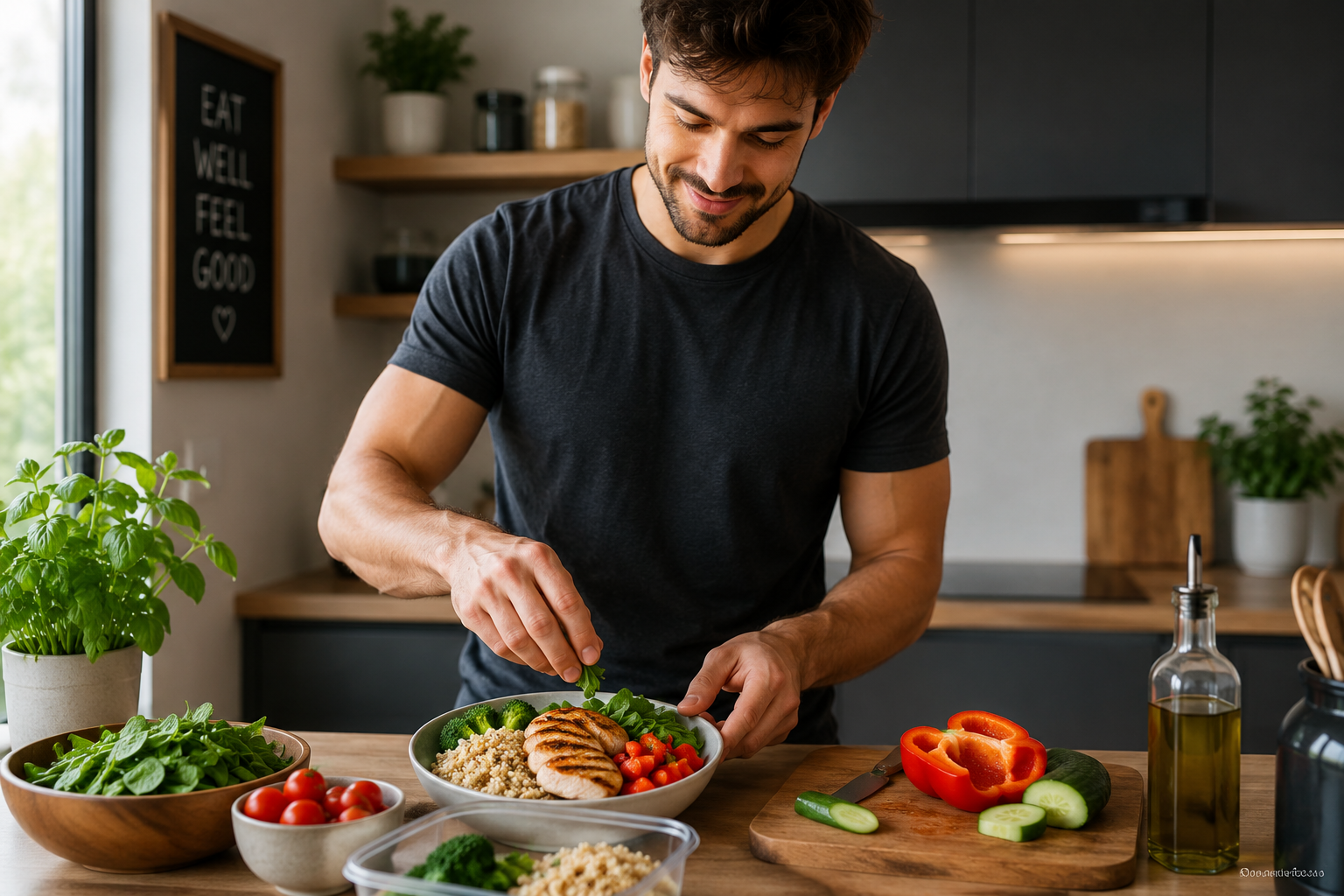
How to Build Healthy Eating Habits That Actually Last
Creating healthy eating habits that actually last can feel like a daunting task, but it doesn't have to be. By focusing on small, sustainable changes rather than drastic dieting, you can gradually shift towards a balanced diet and a healthier lifestyle. Here's how I replaced processed meals with home-cooked alternatives while working a full-time job, and how you can do it too.
Why Do Healthy Eating Habits Fail?
Many people struggle with maintaining healthy eating habits because they try to overhaul their entire diet at once. This approach often leads to burnout and a return to old habits. Instead, focusing on incremental changes allows you to build a healthy routine that integrates seamlessly into your everyday life.
How to Start Without Dieting
The key to sustainable nutrition is to start with small, manageable changes. Rather than eliminating entire food groups, aim to add more nutritious foods into your meals. For example, I began by increasing my protein intake with simple swaps—like adding a boiled egg to breakfast or choosing a chickpea salad for lunch.
What is the Habit Stacking Method?
Habit stacking is a powerful way to build new habits by attaching them to existing ones. For instance, I linked my meal planning to my Sunday coffee ritual. While enjoying my coffee, I would plan out meals for the week, ensuring I included a variety of balanced diet options.
Easy Food Swaps to Try
Instead of overhauling your entire pantry, try making easy food swaps. Replace sugary snacks with nuts or fruit, and choose whole grains over refined ones. These simple changes can make a big difference over time. One of my go-to swaps is substituting soda with sparkling water with a splash of lime.
How to Create a Weekly Routine
Having a set routine can help reinforce healthy food habits. Dedicate specific times for grocery shopping and meal prep. I find that setting aside two hours on Sunday for meal prep ensures I have healthy meals ready for the hectic workweek.
What are Common Pitfalls?
Common pitfalls include relying too much on willpower and not having a backup plan. Life gets busy, and sometimes you can't stick to your plan. When that happens, having quick, healthy options like frozen veggies or pre-cooked quinoa can save the day.
Frequently Asked Questions
How long does it take to form a new eating habit? It typically takes about two months to form a new habit, but this can vary from person to person [cite: authoritative source].
Can I still enjoy my favorite foods? Absolutely. The key is moderation. Enjoy your favorite treats occasionally without guilt.
Is meal planning really necessary? While not mandatory, meal planning can significantly reduce the stress of daily meal decisions and help keep your nutrition on track.
How do I handle social situations? Prepare by eating a small healthy meal before you go, and focus on enjoying the company rather than the food.
What if I fall off track? Don't be too hard on yourself. Simply reset and start fresh with your next meal.
Ready to create a plan that works for you? Check out our personalized meal plans to start building sustainable, healthy eating habits today.
Ready to eat smarter?
Put this into practice with a personalized weekly meal plan built around your goals and preferences.
Generate your free meal plan
Written by
Marcus Reed
Fitness and Nutrition Writer
Marcus covers eating for muscle and training. He got into nutrition through his own slow, stubborn progress in the gym, and he is more interested in protein targets and consistency than in whatever supplement is trending this month. He writes the guides he wishes he had when he started.